We Are Different
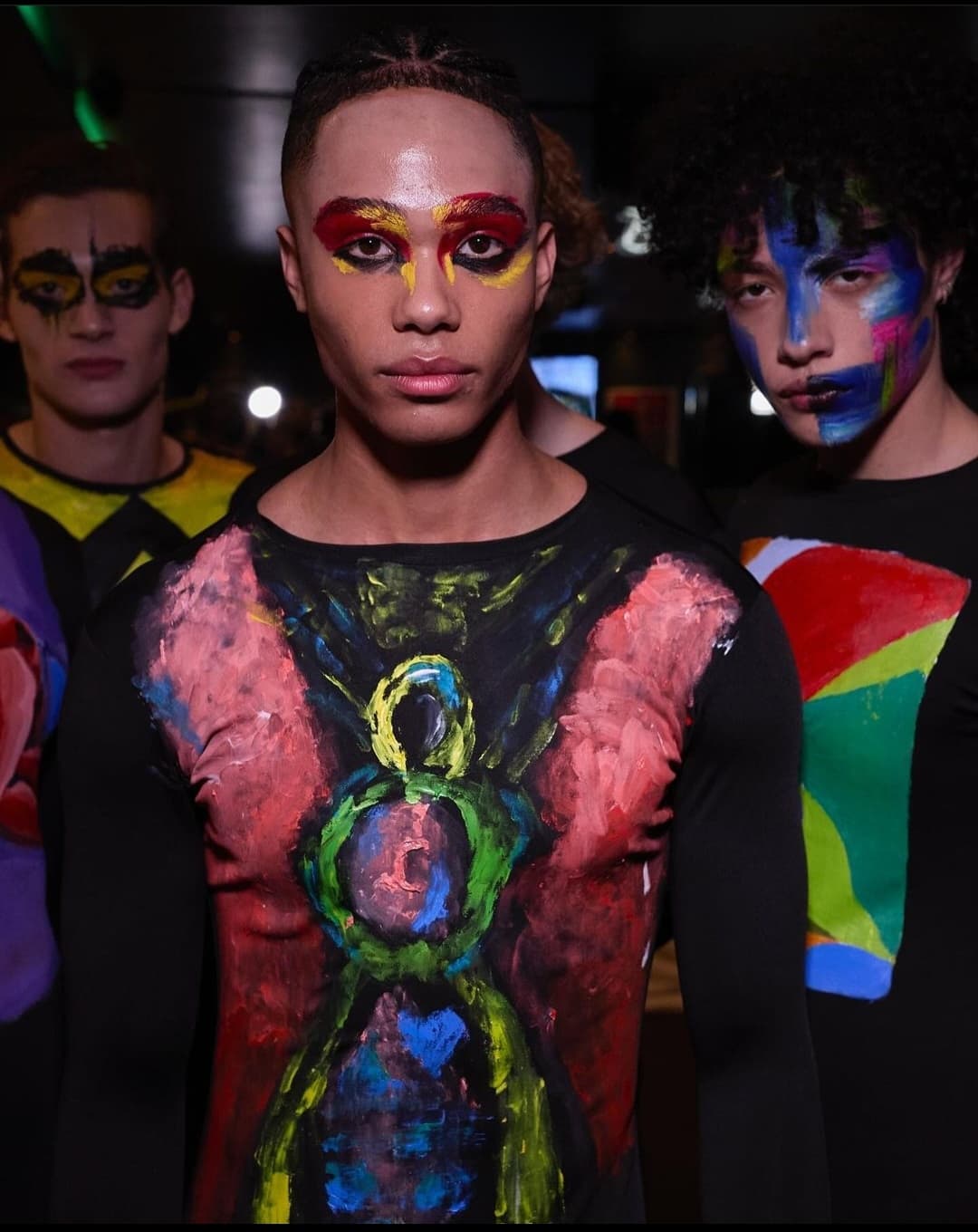
Hand-painted textile suit · 2023Collection
2024
hand crafted design, painting, thread works and luminous wire lighting on sustainable fabric
ìTÀN
Performance
ÌTÀN — meaning history in Yoruba — is a mixed-media design and performance exhibition that breathes new life into ancient Yoruba cultural heritage. Rooted in deep reverence for tradition yet boldly forward-looking, it explores the significance of fabrics, colours, and ceremonial attire, reimagining their forms and meanings for contemporary audiences in the United Kingdom.
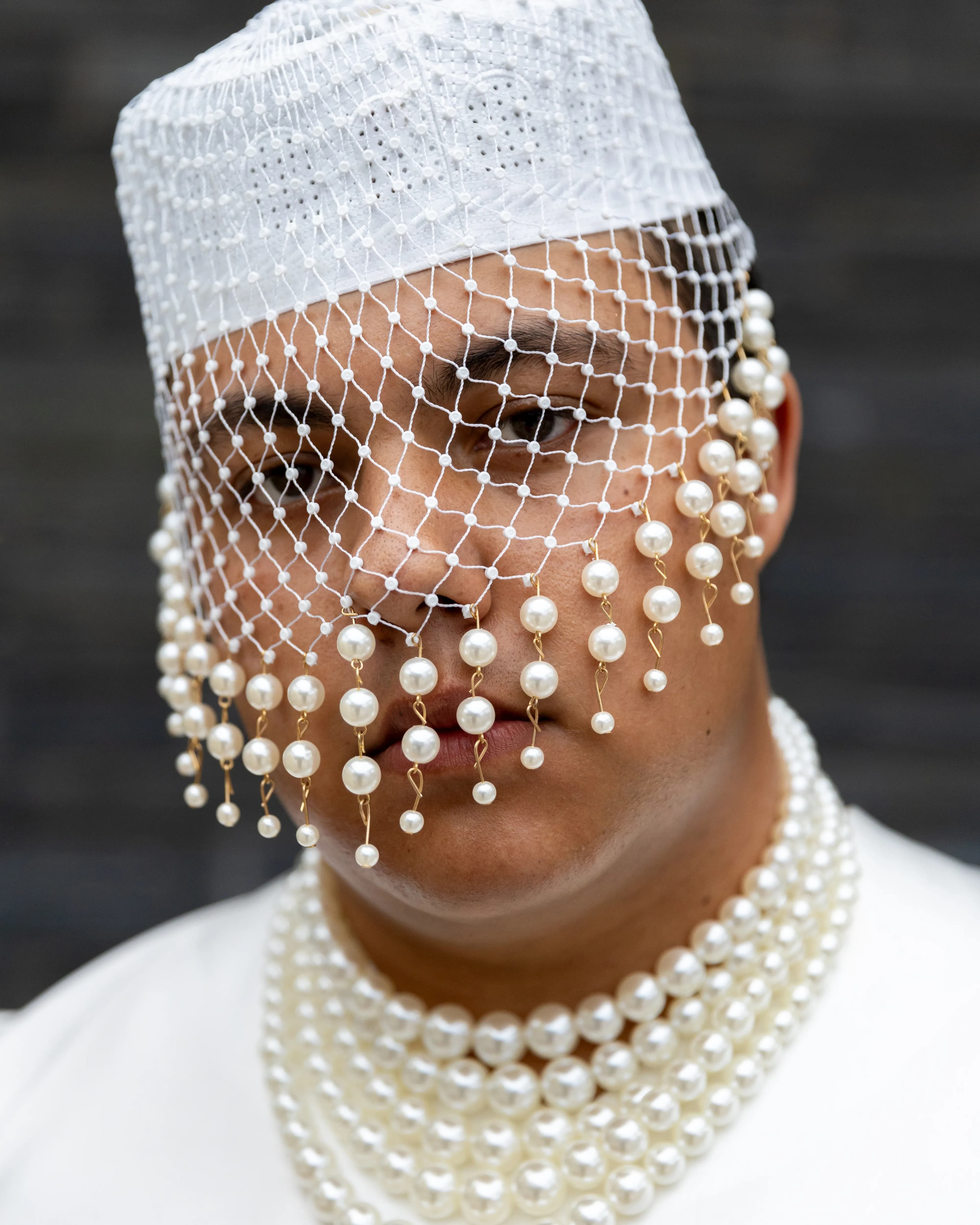
Through seven handcrafted pieces, the work weaves together past and present — celebrating cultural identity, honouring ancestral roots, and asking how heritage can be preserved, recontextualised, and passed on to future generations. Each creation is brought to life through hand-painting, embroidery, textile craft, and sewing, then animated through performance to tell stories of community, belonging, and the enduring strength of culture carried across borders.
More than a display of fashion or design, ÌTÀN is a living narrative — an act of remembrance, a celebration of identity, and a testament to the enduring power of culture. By centring the experience of Yoruba heritage in the UK, it addresses vital questions of preservation and representation: how do we carry history across oceans, and keep it alive for generations born far from ancestral lands? The answer offered here is one of creative reimagination — taking symbols, fabrics, and techniques from the past and stitching them into the fabric of contemporary life.
A vibrant tapestry of colour and pattern, ÒFÌ opens the collection as an exuberant statement. Drawing from a rich lexicon of traditional Yoruba textile design, the work explodes with hues that celebrate the diversity of African roots. Animated through performance, the garment moves with confident grace — a visual metaphor for self-expression and cultural pride, inviting viewers to recognise colour not as mere decoration but as a language of identity, history, and joy.
A striking multi-coloured handcrafted neckpiece reimagining the sacred divination chain used by the Babalawo (Ifá priests) to communicate with Ọrunmila, the deity of wisdom. The artist reworks this deeply spiritual symbol into a contemporary form, pairing it with richly textured fabrics and meticulous detailing. Every stitch carries new meaning — speaking to the diversity of Yoruba communities in the UK and the unbreakable bonds that make them stronger together. Here, sacred tradition becomes a symbol of collective identity and shared strength.
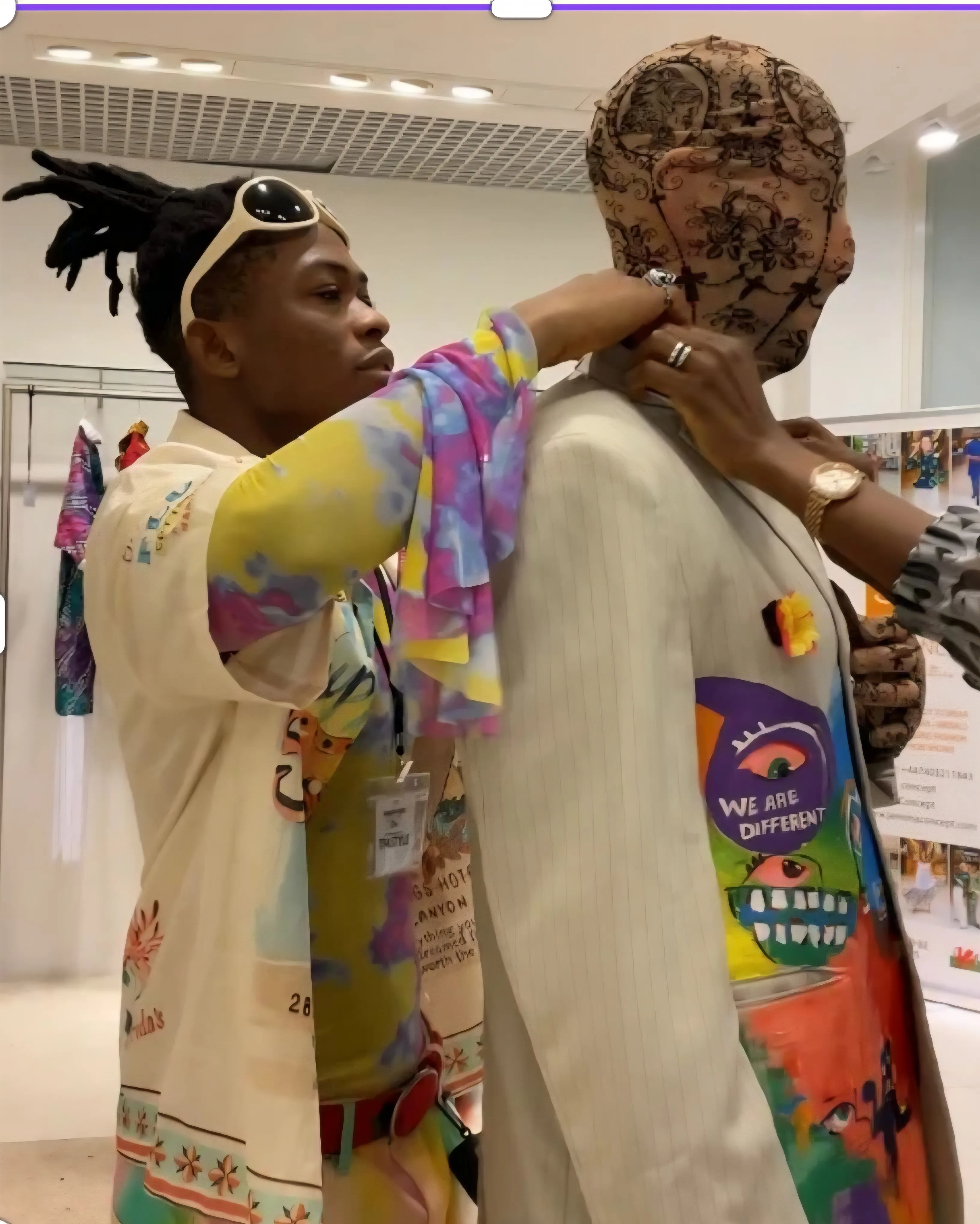
A study in timeless elegance and quiet power, this black-and-white suit merges sharp contemporary silhouettes with deep ancestral reverence. A hand-painted depiction of Oduduwa — progenitor of the Yoruba people — takes pride of place on the back, weaving ancestral spirit into modern design. White speaks to spiritual purity, cosmic creation, and high divinity; black (Dúdú), in traditional Yoruba chromatography and philosophy, to depth, spiritual power, maturity, mystery, and ancestral connection. Intricate Nigerian embroidery threads through tailored seams, where every line reflects cultural pride and unwavering confidence — proof that ancestral identity remains vivid and relevant in the modern world.
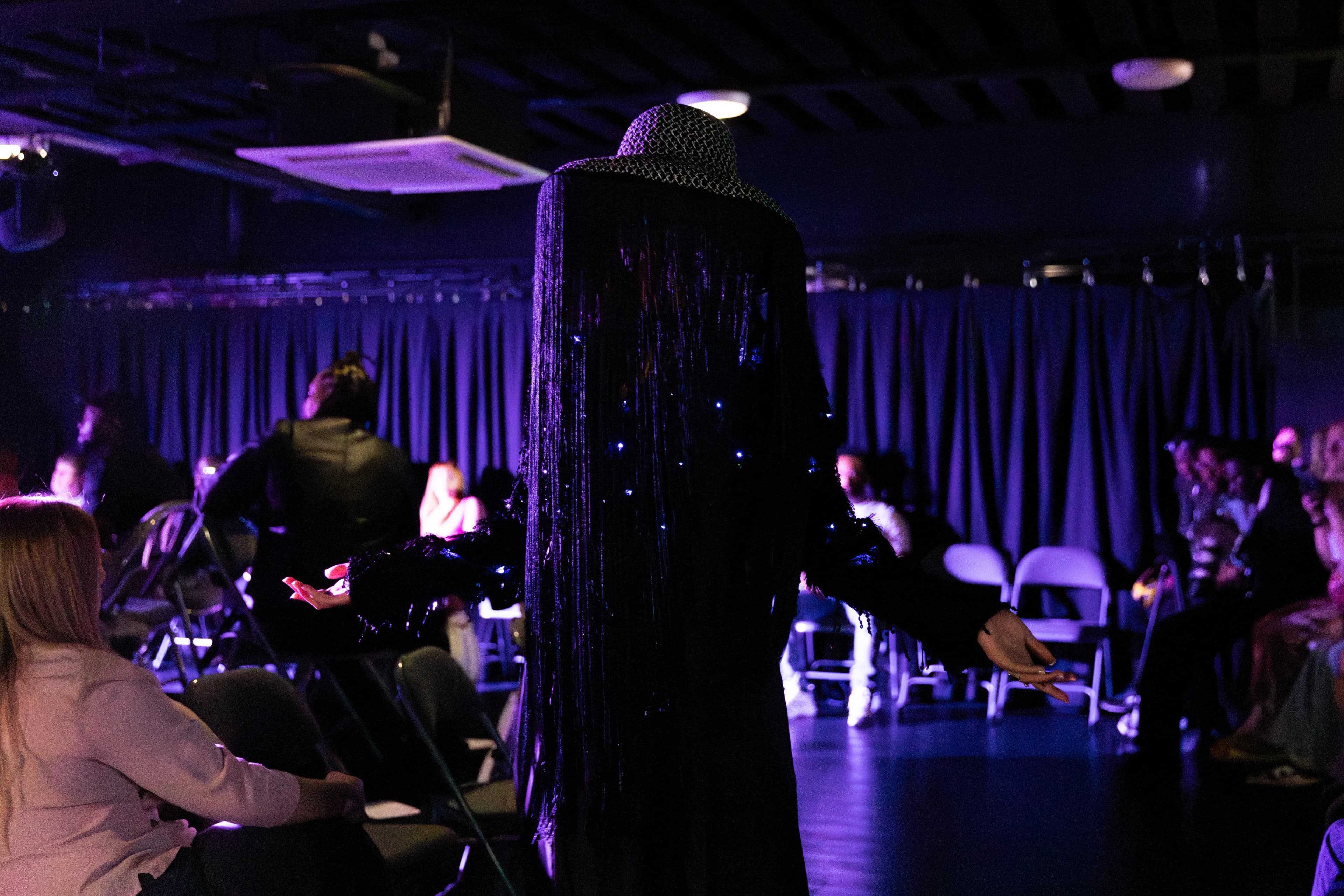
Inspired by the iconic white costumes of the Eyo Festival (Adámú-Òrìṣà Play) of Lagos, this piece reimagines one of Yorubaland's most recognisable ceremonial traditions. A flowing Agbada robe and Aropale wrap are crowned with a wide-brimmed Akete hat, adapting the masquerade attire while adding bold contemporary accessories. The usual white attire is recast as a black gown fitted with luminous blue light that glows through the live performance, while the distinctive fringes — crafted entirely from repurposed materials — transform ordinary objects into extraordinary art, speaking to themes of sustainability and renewal.
A standout ensemble that embodies the collection's core ethos — each piece tells a story. Ejiogbe features intricate hand-painted motifs alongside carefully crafted candle details, all fashioned from repurposed materials as a tribute to creative resourcefulness and Nigerian heritage. The work reflects a commitment to heritage as a living practice — one that evolves, adapts, and finds new expression without losing its essence.